
本文目录导读:
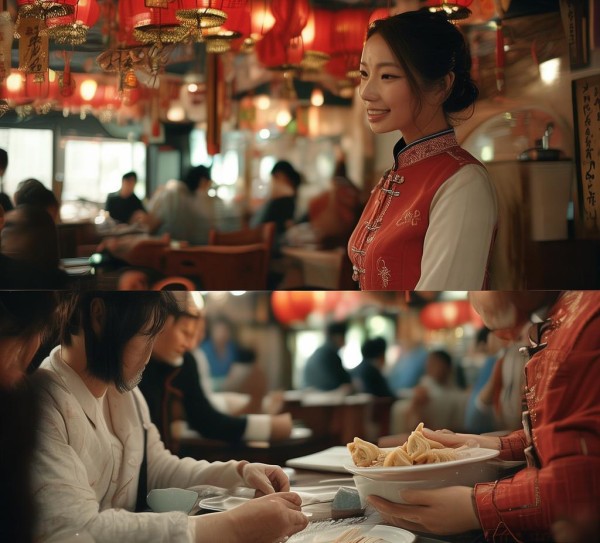
- Understanding the Importance of Service礼仪 in Chinese Restaurants
- Key Components of Chinese Restaurant Service礼仪
- Practice and Repetition
- Conclusion
In today's fast-paced world, understanding and practicing hotel service礼仪 is not only a practical skill but also an important cultural component. As you prepare to dine at a Chinese restaurant, it's essential to master the etiquette of handling service requests and maintaining a respectful tone with your host or waiter. Let's dive into this guide to help you navigate the world of Chinese cuisine with the right attitude.
Understanding the Importance of Service礼仪 in Chinese Restaurants
Chinese restaurants, like many other professional settings, require a certain level of professionali and attention to detail. However, unlike professional environments, Chinese cuisine often emphasizes the beauty of the food rather than the formalities. Therefore, it's crucial to learn the etiquette of handling service requests and maintaining a respectful tone with your host or waiter.
Service礼仪 in Chinese restaurants is more about fostering a positive experience for both you and your host. It's not just about being polite; it's about showing that you truly understand the importance of the moment and appreciate the effort your host or waiter has put into the food.
Key Components of Chinese Restaurant Service礼仪
To excel in Chinese restaurant service礼仪, you need to master several key components:
a. Handling Service Requests
When your host or waiter asks for a specific dish, it's essential to respond politely and politely. For example, if your host asks you to order a stir-fry, you should say something like, "I'd like to try that dish as well." Instead of being awkward or trying to please them, it's better to acknowledge their request and respond with a nice response.
b. Selecting the Right Dish
Understanding your host's preference is crucial. For instance, if they mentioned that the fish is their favorite, you should respond with a polite greeting and ask them to wait for you. This shows that you've done your homework and value their preferences.
c. Active Listening
As a customer, you should listen attentively to your host or waiter. Some people prefer to let their host dictate the order, while others prefer to have the host wait for you. It's important to stay calm and respectful when giving your host the opportunity to decide the sequence of dishes.
d. Handling Multiple Requests
If your host asks you to order a salad and also asks for dessert, it's essential to handle both requests with the same respect. You should acknowledge their interest in both items and politely respond to both. For example, you might say, "Yes, I'd like to try the salad. I also want to try the dessert."
e. Disposing of the Dish When Done
After your dish is served, it's important to dispose of it properly. This includes washing it thoroughly and not letting it remain in your dish. This not only shows respect for your host but also helps your host maintain their kitchen in a clean and organized state.
f. Reassuring Your Host or Waiter
As you leave the restaurant, it's important to reassure your host or waiter. You should thank them for their time and effort and express gratitude for their assistance. This shows that you've done your homework and value their service.
Practice and Repetition
To master service礼仪, it's essential to engage in regular practice. You can start by asking your host or waiter for a specific dish, selecting the right dish, and handling multiple requests with respect. Additionally, you can practice handling the disposal of your food and expressing gratitude to your host.
Conclusion
Service礼仪 in Chinese restaurants is not just about being polite; it's about demonstrating respect and appreciating the effort your host or waiter has put into the food. By understanding the key components of service礼仪 and practicing regularly, you can navigate the world of Chinese cuisine with confidence and elegance.
So, if you ever find yourself in a Chinese restaurant, make a conscious effort to respect your host and your meal. Show off your understanding and appreciation for their effort, and you'll be in good company. Happy dining!