
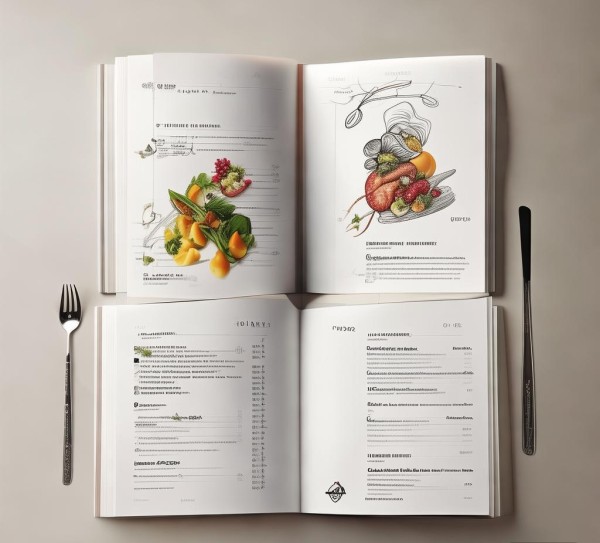
Menu design is the cornerstone of a high-end restaurant's success. It goes beyond mere presentation; it's an integral part of the guest experience, designed to reflect the brand's values and cater to the specific needs of both the customer and the restaurant. A well-crafted menu not only enhances the guest's dining experience but also contributes to the restaurant's financial performance. From the appetizer to the main course, the menu must align with the restaurant's budget, operational efficiency, and the guest's meal preferences.
Menu Design: The Building Blocks
Menu design is built on several key elements that work together to create an inviting and functional dining experience. These elements include:
- Meal categories: The menu should be organized into categories such as appetizers, main courses, desserts, or beverages, making it easy for guests to find what they're looking for.
- 菜品 names: Clear and concise names that provide immediate insight into the dish's appeal, such as "Grilled Salmon" or "Hot Tuna Salad." These names should resonate with the guest's taste buds and reflect the restaurant's brand.
- Cooking images: High-quality images that visually represent the dish, helping guests better understand the ingredients and preparation process.
- Dishes descriptions: Detailed descriptions that include key nutritional facts, ingredients, and preparation methods, ensuring guests are informed about the dish's quality and preparation.
Menu Design: Principles
Menu design adheres to several essential principles that ensure its effectiveness and alignment with the restaurant's goals. These principles include:
- Visual appeal: The menu should be visually engaging, using color schemes, typography, and layout that captivates the senses and draws guests in.
- Practicality: The menu should be user-friendly, combining menu design with the restaurant's operational processes, such as menu management, cost accounting, and inventory control.
- Food safety: All menu items must comply with food safety regulations, including food labeling, allergen declarations, and food preparation guidelines.
Menu Design: Selecting and Pairing Dishes
Selecting and pairing dishes are integral to creating an enjoyable dining experience. Key considerations include:
- Seasonal adjustments: The menu should be updated to reflect seasonal trends, such as increased seafood consumption or warmer weather-related dishes.
- Cheaper ingredients: Dishes that utilize cheaper or more readily available ingredients are more appealing to a diverse guest base.
- Dessert combinations: Desserts like "Strawberry Cake with Chocolate Hummus" or "Chocolate Crème Brûlée" offer a customizable experience that enhances the guest's overall dining experience.
Menu Design: The Implementation Process
Menu design is a systematic process that involves several key steps to ensure its success. These steps include:
- Market research: Understanding guest preferences, dietary needs, and operational constraints through market research and surveys.
- Cooking selection: Choosing ingredients that are both nutritious and safe, ensuring that all dishes meet food safety standards.
- Design development: Developing a menu that is both visually appealing and functional, aligning with the restaurant's branding and operational goals.
- Visual design: Creating a menu that is visually appealing, using high-quality images and appropriate typography to enhance the dining experience.
- Optimization: Regularly evaluating the menu for effectiveness, incorporating feedback from guests, and updating it to reflect changes in consumer preferences and operational needs.
Menu Design: Assessment and Optimization
Assessing and optimizing the menu is a multi-faceted process that requires careful evaluation and data-driven decisions. Key areas for improvement include:
- Guest feedback: Regularly gathering feedback from guests through surveys or feedback mechanisms to identify areas for enhancement.
- Data analysis: Using data analytics to understand guest preferences, dietary needs, and operational performance, allowing for informed menu adjustments.
- Continuous updates: Updating the menu regularly to reflect changes in menu items, pricing, and menu structure to maintain its relevance and appeal.
Conclusion
Menu design is a vital component of any high-end restaurant's success. By understanding its importance, principles, and best practices, chefs and menu designers can create an inviting and effective dining experience that enhances the guest's dining experience while contributing to the restaurant's financial success. Menu design is not just about looking good; it's about delivering real value, creating memorable experiences, and driving customer loyalty. With careful planning, execution, and oversight, any restaurant can achieve its menu design goals and become a synonym of elegance and quality in the guest experience.