
This study explores the future trends in the hospitality industry, focusing on innovative developments in hotel dining. By leveraging advanced technologies such as artificial intelligence and大数据 analysis, hotels are adopting personalized and efficient services to enhance guest experiences. These innovations include intelligent management systems, green health initiatives, and personalized recommendations, which not only improve operational efficiency but also contribute to higher profitability and sustainable growth. The research highlights how these advancements are reshaping the dining experience, making it a key area for future industry development.
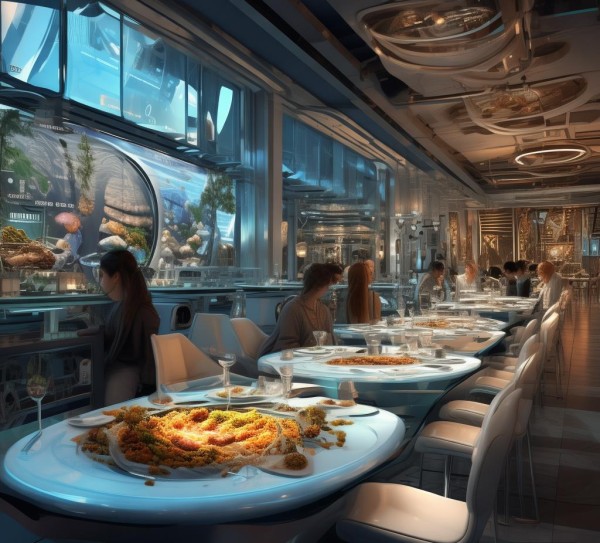
As the world continues to evolve, the role of hotels in shaping the dining experience has never been more significant. From the moment a guest steps into a room, the construction of the building, the ambiance of the interior spaces, and the overall service quality all play a crucial role in creating a memorable dining experience. Hotel owners and managers are constantly seeking ways to enhance the dining experience, pushing boundaries and pushing the limits of what is possible in the hospitality industry. One of the most innovative ways to do this is through the use of technology, the creation of personalized menus, and the emphasis on customer satisfaction. One of the key innovations in hotel dining is the use of technology to personalize the experience. From mobile apps that recommend the perfect meal to artistic tables that adjust to the guest's preferences, technology is being used to create a more tailored and memorable dining experience. For example, hotels are now using data from guests' artphones to understand their dining habits and preferences, and this information is being used to create customized menus. This not only enhances the guest's dining experience but also ensures that the hotel is meeting the needs of its guests in a way that is both convenient and tailored to their preferences. Another innovation in hotel dining is the use of digital technology to enhance the dining experience. From virtual reality experiences to augmented reality (AR) technology, hotels are now using cutting-edge technology to create immersive dining experiences. For instance, some hotels are using AR to create virtual tours of the hotel's spaces, allowing guests to virtually explore the dining areas and discover new dishes that they may not have encountered otherwise. This not only makes the dining experience more engaging but also allows guests to experience the hotel's dining capabilities in a more convenient and convenient way. In addition to these technological innovations, hotels are also making strides in creating a more innovative dining experience by blending traditional and modern practices. For example, some hotels are incorporating sustainability into their dining offerings, using eco-friendly materials and practices to create a more environmentally friendly dining experience. This not only aligns with the hotel's sustainability goals but also enhances the guest's dining experience by ensuring that the food they are eating is not only delicious but also environmentally responsible. Another key innovation in hotel dining is the emphasis on customer loyalty and satisfaction. By creating a sense of connection between the guest and the hotel, hotels are able to build long-term relationships and increase the likelihood of repeat visits. For instance, hotels are now using personalized marketing campaigns to create a tailored experience that resonates with the guest's lifestyle and preferences. This not only increases the likelihood of the guest returning but also enhances the overall dining experience. In conclusion, the future of hotel dining is being defined by a combination of innovative technology, personalized experiences, and a commitment to customer satisfaction. By embracing these innovations, hotels are not only enhancing the guest's dining experience but also creating a more memorable and lasting impression. As the hospitality industry continues to evolve, hotels are going to play an even more important role in shaping the future of dining experiences.