
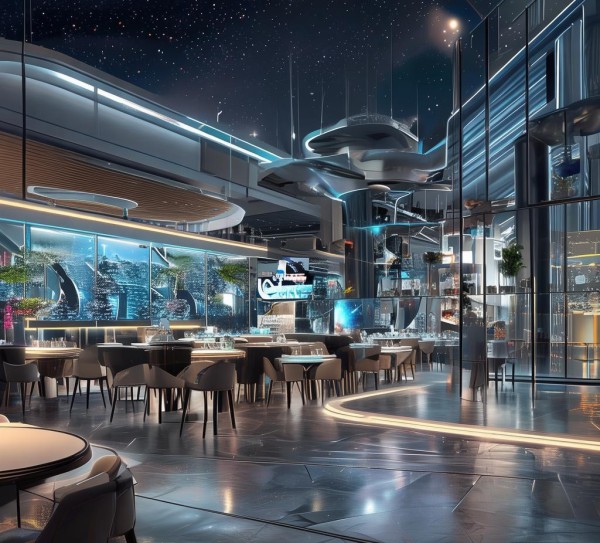
Over the past decade, the rise of video has become increasingly integral to the success of the hospitality and dining industry. With growing demand for innovative marketing strategies,越来越多 businesses are increasingly beginning to explore the potential of video as a key tool for brand communication and customer engagement. Video has emerged as a transformative medium for the hospitality sector, offering both visual storytelling and emotional resonance. In the realm of restaurant and hospitality service creative video, the concept of video not only enhances brand awareness but also fosters a deeper connection between the audience and the brand through a fusion of visual and emotional elements. This article will explore the creation, design, and future applications of restaurant and hospitality service creative video, examining their importance in the hospitality industry. The creation of restaurant and hospitality service creative video involves a meticulous blend of the industry's environment, service details, and dining experience into visual elements. Designers play a crucial role in this process, requiring meticulous selection of scenic shots to ensure that the content resonates with the audience. Role design is equally vital, as it enables the creation of engaging narratives and interactive scenarios that immerse the viewer in the setting. When it comes to the design techniques behind restaurant and hospitality service creative video, visual language remains a cornerstone of success. Designers utilize a variety of visual elements, including color palettes, animation speeds, and lighting effects, to create a compelling narrative that captivates the audience. Role design, in particular, is a key component of this process, as it involves assigning characters and scenarios that evoke emotions and narratives, thereby enhancing the viewer's experience. The application areas of restaurant and hospitality service creative video are vast and dynamic, ranging from entertainment to information. With the rapid advancement of technology, these services are poised to play an increasingly significant role in the hospitality landscape. The integration of artificial intelligence (AI) in video creation has introduced new possibilities, such as automated color grading and scenario identification, while big data analytics has enabled businesses to tailor marketing strategies to meet specific consumer needs. This technology-driven approach is set to become a defining feature of the hospitality industry, offering businesses unique opportunities for growth and innovation. In addition to its commercial potential, restaurant and hospitality service creative video is an invaluable tool for brand marketing. By carefully crafted and innovative use of video, businesses can not only satisfy diverse consumer preferences but also create a competitive edge in the market. As technology continues to evolve, the future of restaurant and hospitality service creative video is likely to expand even further, driving the sector towards a more dynamic and innovative future.