
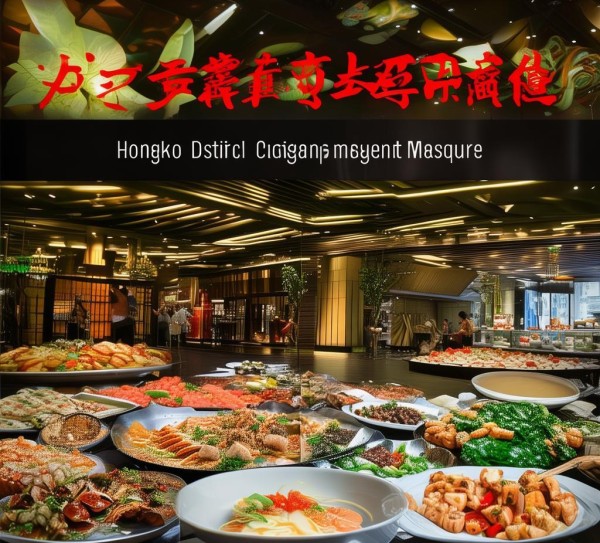
As a key region in the region,虹口区 serves as a hub for tourism and hospitality, making it the ideal location for restaurants and hotels to thrive. In recent years, the tourism industry has seen rapid growth, and hotels, including those in虹口区, have become a cornerstone of this growth. With the increasing demand for high-quality dining experiences,虹口区 has established the《虹口区酒店餐饮管理办法》, aimed at enhancing the quality of services, promoting economic development, and ensuring the health and stability of the industry. The purpose of this regulation is to provide a framework for hotels to improve their offerings, attract top talent, and foster long-term success in the region.
Enhance Specialty Dining Quality
**Implement Strict Standards and Standardize Levels
The regulation enforces national laws and standards, ensuring that all dining services meet the highest quality benchmarks. For specialty dining, this means requiring detailed quality standards and operational protocols, with chefs and staff providing clear guidelines to meet or exceed expectations.
**Innovate Menu Design and Offer Diverse Options
By introducing creative menu designs, the regulation encourages customers to discover new and exciting dishes. This approach not only attracts a broader audience but also enhances the hotel's market presence, helping it attract more customers and establish itself as a leader in the industry.
**Ensure Environment and Health Standards
Through rigorous environmental and health inspections, the regulation ensures that all dining areas are clean and safe. This addresses the growing demand for a comfortable and卫生-friendly environment, which is crucial for long-term customer satisfaction and business success.
Optimize Service Quality
**Enhance Training and Improve Service Standards
A comprehensive training program is established to ensure that all staff are well-equipped to deliver exceptional service. This program includes regular evaluations and feedback mechanisms to help staff improve their knowledge and skills, ultimately leading to better service delivery.
**Promote a Systemic Approach to Service Quality
By implementing a standardized system for service quality, the regulation helps hotels maintain high standards consistently across all aspects of their operations. This includes operational processes, quality control, and staff training, all of which contribute to a more reliable and consistent dining experience for customers.
Promote Economic Quality Development
**Develop Strategic Initiatives for the Industry
The regulation recognizes the importance of supporting the hotel industry in achieving economic growth. It provides a set of policies that will help hotels, restaurants, and other businesses grow and succeed in the region, ultimately contributing to the region's overall economic health and development.
**Support Small and Medium-Sized Businesses
Through targeted support and incentives, the regulation aims to attract and engage small and medium-sized enterprises. This includes funding programs, talent development opportunities, and other assistance measures designed to help these businesses thrive and contribute to the broader economy.
Foster linger Experience
**Launch Specialized Properties foromomer Quality
By focusing on creating properties that offer a unique and high-quality dining experience, the regulation encourages hotels to invest in innovation and excellence. This includes investments in culinary art, technology, and customer service, all aimed at delivering a superior guest experience.
**Enhance Linger Through Customer Interaction
A key component of the regulation is its emphasis on fostering a good customer experience. By encouraging innovative restaurant and hotel practices, it aims to enhance the overall linger experience, making hotels feel like customers rather than just businesses. This approach helps hotels build stronger connections with their customers and contribute to a more vibrant and loyal customer base.
Incorporate Management Innovation
**Reinforce Management Team Optimization
A focus on improving management capabilities and team skills is at the heart of the regulation. It encourages the development of a skilled and adaptable management team, which can help hotels achieve higher levels of service quality and customer satisfaction. This involves investments in employee training, leadership development, and strategic planning.
**Promote Innovative Dining Culture
By introducing new and creative dining experiences, the regulation aims to inspire hotels to embrace innovative practices. This includes experimenting with new food trends, tech-driven services, and customer-centric approaches, all of which contribute to a more dynamic and engaging dining environment.
Promote the Practical Effects of Innovation
**Establish a Mechanism for Innovation
A framework for promoting innovation within the industry is in place. This includes establishing guidelines for best practices, fostering collaboration among businesses, and incentivizing those who demonstrate the most effective innovation efforts. This approach ensures that innovation is not just encouraged but actively promoted as a key driver of growth and success.
**Share Best Practices Through Case Studies and Experiences
A series of case studies and best practice examples highlights the successful implementations of innovative dining strategies. This allows other hotels to learn from successful models and apply them to their own operations, contributing to a culture of continuous improvement and excellence.
As a result of these measures, the《虹口区酒店餐饮管理办法》 serves as a powerful tool to guide the development of the region's hospitality industry. By focusing on delivering high-quality services, fostering innovation, and supporting economic growth, it helps虹口区酒店餐饮行业 achieve its potential and create a more thriving and sustainable business environment for its residents and visitors.