
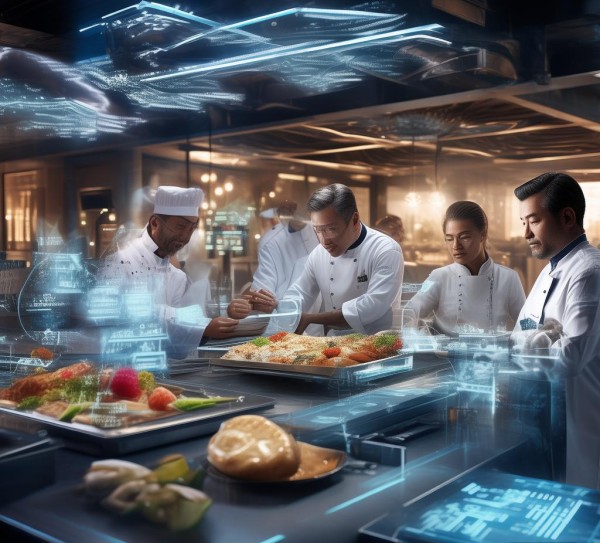
The foundation of any successful restaurant lies in delivering exceptional service, quality food, and memorable experiences to its customers. As the restaurant manager, it is your responsibility to ensure that every guest feels valued and that the restaurant operates at its peak. Here are some key principles to consider:
Customer-Centric Approach: Place the customer at the center of every decision. Understanding their needs, preferences, and expectations is critical to building trust and loyalty.
Quality Food and Service: Every bite tells a story, and delivering on that promise requires careful planning, execution, and perfect execution. Ensure that your food is not only safe and of the highest quality but also presented in a way that resonates with your target audience.
Customer Communication: Effective communication is essential in any restaurant. Whether through text, voice chat, or in-person interactions, maintaining open and positive communication fosters a strong customer relationship.
Customer Loyalty: Building and retaining customer loyalty is a top priority for any restaurant. Through consistent service, excellent food, and a welcoming atmosphere, you can build strong relationships and foster long-term customer contracts.
By focusing on these principles, you can create a restaurant that truly resonates with your target audience and builds lasting customer relationships.
Leveraging Innovation and Technology
As the restaurant industry transitions from traditional to digital, innovation and technology are key to maximizing productivity, enhancing customer experiences, and driving profitability. Here are some strategies:
Digital Transformation: Implementing digital transformation can enhance customer engagement, improve service delivery, and increase efficiency. From mobile apps for reservation and ordering to mobile payment systems, digital tools are transforming how customers interact with the restaurant.
AI and Machine Learning: Artificial intelligence and machine learning can be powerful tools for optimizing operations, personalizing experiences, and predicting customer behavior. These technologies can help restaurant managers make data-driven decisions and improve overall performance.
Blockchain Technology: Blockchain technology offers a promising future for restaurant management. It can be used to track transactions with unparalleled transparency and security, ensuring accountability and trust in the restaurant's operations.
By embracing these technologies, you can enhance your restaurant's efficiency, customer satisfaction, and reputation in a rapidly evolving market.
Collaborative Management and Teamwork
Effective management requires a strong foundation of collaboration between the restaurant manager, the team, and the broader hospitality ecosystem. Here are key principles:
Communication: Open communication is crucial for building trust and fostering collaboration. Regular meetings, shared goals, and open dialogue can help create a sense of shared responsibility and accountability.
Collaboration: Effective teamwork is the key to success. Collaboration can be achieved through shared responsibilities, mutual support, and a shared vision for the restaurant's future.
Leadership: A leader who is both strategic and decisive is essential for the restaurant's success. Leadership should be aligned with the restaurant's mission, vision, and values, and should inspire and motivate the team to achieve their goals.
By prioritizing these principles, you can build a restaurant that thrives on the collective efforts of its team and environment.
Risk Management and Strategic Planning
In the hospitality industry, risk management is a top priority. However, it is not an afterthought. Strategic planning is essential to navigate the challenges and opportunities of a dynamic business environment.
Risk Management: Identifying and mitigating risks is critical to ensuring the restaurant's success. Risks can include competition, economic fluctuations, and changes in customer preferences.
Strategic Planning: Developing a long-term strategic plan is necessary to align the restaurant's operations with its customer expectations. This plan should include goals, metrics, and a roadmap for achieving them.
By addressing these risks and planning strategically, you can position your restaurant for long-term success in a competitive market.
Conclusion
The hospitality industry is dynamic, and the restaurant and hotel management roles are no exception. As the world continues to shift from a traditional, family-oriented setting to a more digital, connected, and globalized environment, the role of the restaurant manager and hotel manager has never been more critical. This book serves as a comprehensive guide to understanding the core of the restaurant, leveraging innovation and technology, collaborating with teams, managing risks, and planning strategically.
By staying grounded in the principles of strategic management, innovation, and customer satisfaction, you can ensure your restaurant's long-term success and contribute to the growth and success of the industry as a whole.
Epilogue:
As the hospitality industry continues to evolve, the role of the restaurant and hotel manager will remain at the forefront of success. By staying grounded in the principles of strategic management, innovation, and customer satisfaction, you can ensure your restaurant's long-term success and contribute to the growth and success of the industry as a whole.