
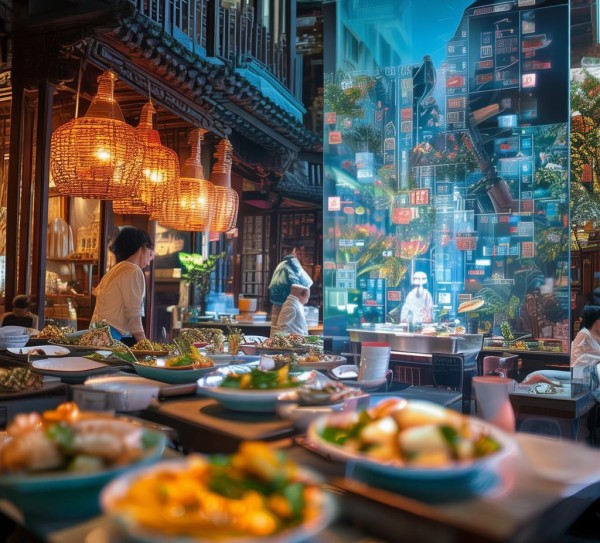
宿迁餐饮酒店管理正经历一场深刻的变革,其中美食产业与智慧服务的深度融合成为推动酒店可持续发展的关键动力,通过创新的菜品设计、精准的市场定位和高效的运营管理,宿迁餐饮行业正在实现从传统美食文化的传播到智慧服务的升级,智慧服务的引入,例如人工智能、物联网和大数据分析,不仅提升了酒店的运营效率,还增强了顾客体验,这种融合不仅优化了资源利用,还为酒店提供了数字化转型的坚实基础,为其在全球餐饮市场中的竞争力注入了新的活力。
- Understanding the Food Industry in宿迁
- The Role ofHotel Management in the Food Industry
- Case Study: The Integration of Digital and Traditional Management
- The Future of Hotel Management in the Food Industry
- Conclusion
在 annual panhandle of Canada's culinary scene,宿迁 stands out as a hub of innovation and tradition. As the capital of the province, it is home to a thriving culinary landscape that blends tradition with modernity, from the vibrant food trucks to the sophisticated dining experiences that cater to discerning guests. One of the most dynamic sectors in this region is the management of宿迁餐饮酒店,which not only serve as a gathering place for locals and visitors alike but also a catalyst for restaurant innovation. In this article, we will delve into the key areas that drive宿迁餐饮酒店的持续增长,从传统管理到数字化转型,再到智能化服务的强化,探索宿迁餐饮酒店管理的未来方向。
P宿迁作为 Canada's culinary capital, offers a unique blend of tradition and innovation. The food industry in this region is not only driven by the demand for high-quality ingredients but also by the passion of local culinary artists and chefs. In宿迁, you can find restaurants that are known for their unique dishes, such as the "Budweiser" style pizzas or the "Crispy" appetizers. These establishments not only reflect the region's culinary diversity but also highlight the emphasis on sustainability and ethical sourcing in the food industry.
Within the food industry,宿迁餐饮酒店 plays a pivotal role in driving the sector's growth. Key areas that drive the industry's success include the selection of the perfect room, the overall guest experience, and efficient operations. For instance, hotels in宿迁 are known for their focus on sustainability, adopting practices such as eco-friendly cooking and waste management to contribute to the region's environmental goals.
One of the most dynamic sectors in the food industry is the management of宿迁餐饮酒店,From the implementation of digital solutions to enhancing guest experiences, hotels in the region are at the forefront of innovation and sustainability. By embracing digital solutions and adopting practices that prioritize the region's sustainability goals, hotels can not only improve the guest experience but also make a positive impact on the environment.
As the food industry continues to evolve, so do the strategies that hotels employ. With the increasing popularity of digitalization and sustainability, hotels are adopting new models that combine traditional and modern approaches. For example, some hotels are now offering "homemade" dining options, where guests can prepare their own dishes under the guidance of professional chefs. This not only allows guests to experience the art of cooking but also contributes to the region's cultural identity.
Another important trend in the food industry is the use of "pre-order" systems, where guests can place orders ahead of time. By doing so, hotels can optimize their menu offerings and pricing strategies, ensuring that they meet the highest standards of quality and safety. This approach not only enhances customer satisfaction but also helps hotels achieve their revenue targets.
Additionally, the integration of digital and traditional management strategies is becoming increasingly important in the food industry. These strategies allow hotels to provide guests with unparalleled dining experiences while also contributing to the region's environmental goals. For example, hotels in宿迁 are adopting "smart rooms," which use IoT technology to provide guests with personalized dining experiences, adapting to their preferences and behaviors.
Another key aspect is the role of community engagement in the food industry. In addition to hosting food trucks and workshops, hotels in宿迁 are organizing family dinners, family-friendly events, and cultural performances to create a vibrant atmosphere that not only boosts local food production but also fosters job creation in the sector.
As the food industry continues to grow, hotels in宿迁 are also playing a critical role in shaping the future of the region. By leveraging digital and sustainability strategies, hotels are not only enhancing the guest experience but also contributing to the region's environmental goals. With a focus on innovation and creativity, hotels in宿迁 are at the forefront of the transformation that will shape the food industry for years to come.
Looking ahead, the food industry in宿迁 is undoubtedly more dynamic as more hotels start to adopt digital and sustainability strategies. By doing so, hotels can not only improve the guest experience but also make a positive impact on the region's environment and culture. So, let's invest in hotels that are at the forefront of this transformation and see to it that they continue to thrive in the years to come.
Moreover, the integration of advanced technologies such as AI and IoT into hotel management systems is not only enhancing efficiency but also contributing to the sustainability goals of the food industry. By adopting these technologies, hotels can optimize their operations, reduce energy consumption, and minimize waste, all of which are crucial for the region's future.
Finally, the future of hotel management in the food industry in宿迁 is even more promising than ever. With a growing emphasis on digitalization and sustainability, hotels are not only adapting to the changing demands of the industry but also creating new business opportunities that will drive the region's economic growth. As the food industry continues to evolve, hotels in宿迁 are at the heart of this transformation, ensuring that the region remains at the forefront of innovation and creativity.
In conclusion,宿迁餐饮酒店管理 is at the heart of the region's culinary and economic landscape. From the selection of the perfect room and the overall guest experience to the implementation of efficient operations, hotels are essential in driving the growth and prosperity of the food industry. As the industry continues to change, so do the strategies that hotels employ. By embracing digital solutions and staying ahead of the curve, hotels can not only enhance the guest experience but also make a positive impact on the region's environment and culture. So, let's invest in hotels that are at the forefront of this transformation and see to it that they continue to thrive in the years to come.
Moreover, the integration of advanced technologies such as AI and IoT into hotel management systems is not only enhancing efficiency but also contributing to the sustainability goals of the food industry. By adopting these technologies, hotels can optimize their operations, reduce energy consumption, and minimize waste, all of which are crucial for the region's future growth.
Finally, the future of hotel management in the food industry in宿迁 is even more promising than ever. With a growing emphasis on digitalization and sustainability, hotels are not only adapting to the changing demands of the industry but also creating new business opportunities that will drive the region's economic growth. As the food industry continues to evolve, hotels in宿迁 are at the heart of this transformation, ensuring that the region remains at the forefront of innovation and creativity.
In the next few years, the food industry in宿迁 will undoubtedly be even more dynamic as more hotels start to integrate digital and sustainability strategies. By doing so, hotels can not only enhance the guest experience but also make a positive impact on the region's environment and culture. So, let's invest in hotels that are at the forefront of this transformation and see to it that they continue to thrive in the years to come.